Enhancing Wildlife Eyes

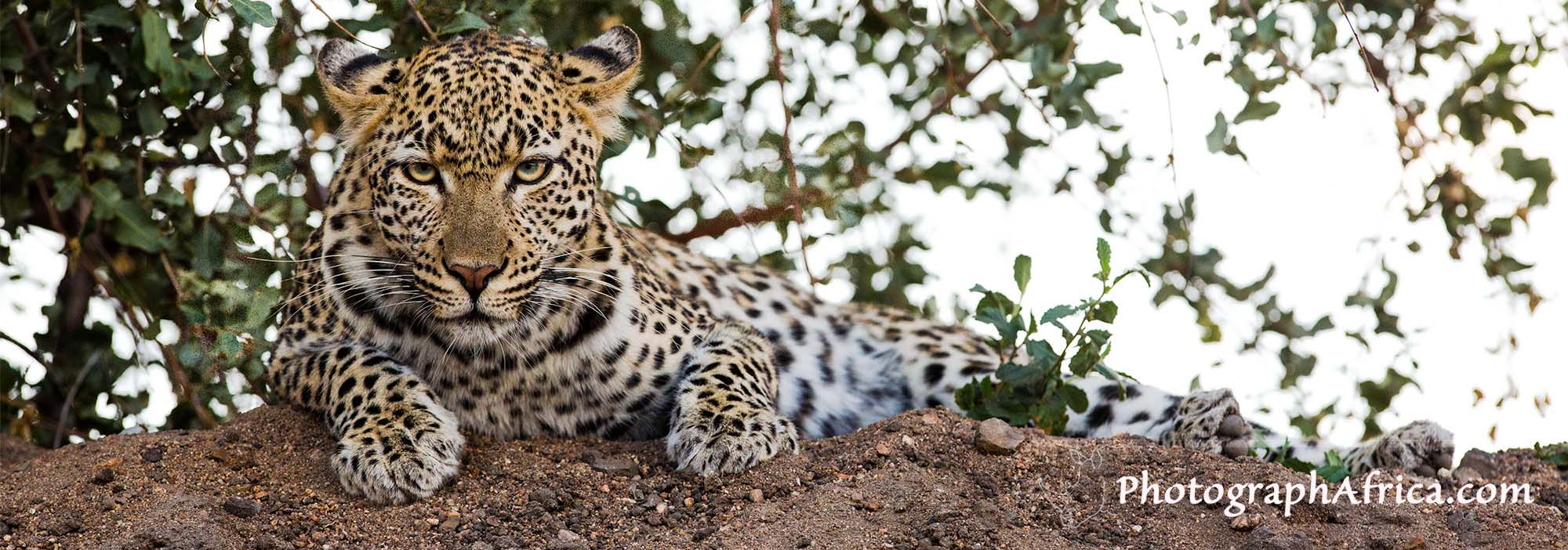
A little enhancement to the eyes of your subject adds a little extra pop and elevates the whole image.

Whether using Lightroom adjustment brushes or Photoshop, the basic principle is to add contrast, brighten the iris and perhaps add some spectral highlights.  Professional retouchers have a detailed process for this, but simple edits have good effects.

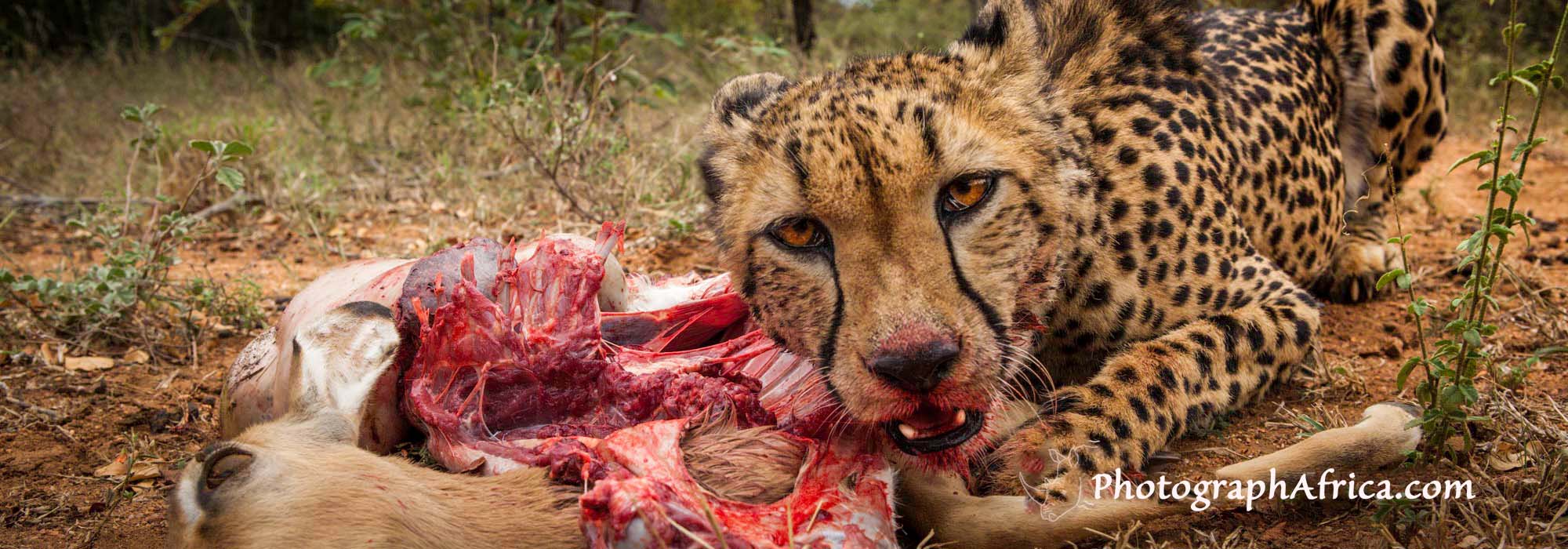
This image was taken with a flash so there is the added problem of the cat equivalent of red – eye.

I will be using Photoshop to make the enhancements. It is possible to make these changes in Lightroom, but the adjustment brush is a bit awkward for me so I prefer the fine control possible in Photoshop.

Replace the Red Eye caused by flash

Open the image  and make a  selection of the the pupil.  You can start with a circle selection, but it may not be perfectly round so add to the selection if necessary.

Fill or paint black into the selection.

The black looks a bit flat  so mix in a bit of dark gray to help give a shiney, reflective look.

Eyes usually have a white spot reflection in them called a spectral highlight which gives a lifelike effect.  Add a dot of white off center in the pupil.   Place the highlights in the other eye as if it is made by the same light source or the eyes will look a bit crazed.

Eye with Specular highlight added

Now we can add some pop.  For those not concerned with non-distructive techniques (because you have the original raw file or another copy), you can use the Dodge and Burn tools.  If you are less confident and want to make the changes on a separate layer(s) that it can be adjusted, use  a layer and a paintbrush.

This image shows areas to dodge (lighten) start very lightly and build up the contrast .

Burn Areas

Dodge Areas

The next step is just a tiny bit of color. The eyes are such a match to the color of the fur,  a slight shift in hue will help them stand out.  I added a bit of green to the eyes to set them apart from the color of the fur.

Other species have different shaped eyes, but the same principles can be used to enhance their eyes.  Because careful not to overdue this technique because it can look fake and odd if too heavy handed: better to understate the enhancement than to overstate.

Lightroom Challenge: Lion in the Shade

Corrected Lion Photo

Corrected Lion Photo

Photo right out of the camera

Photo right out of the camera


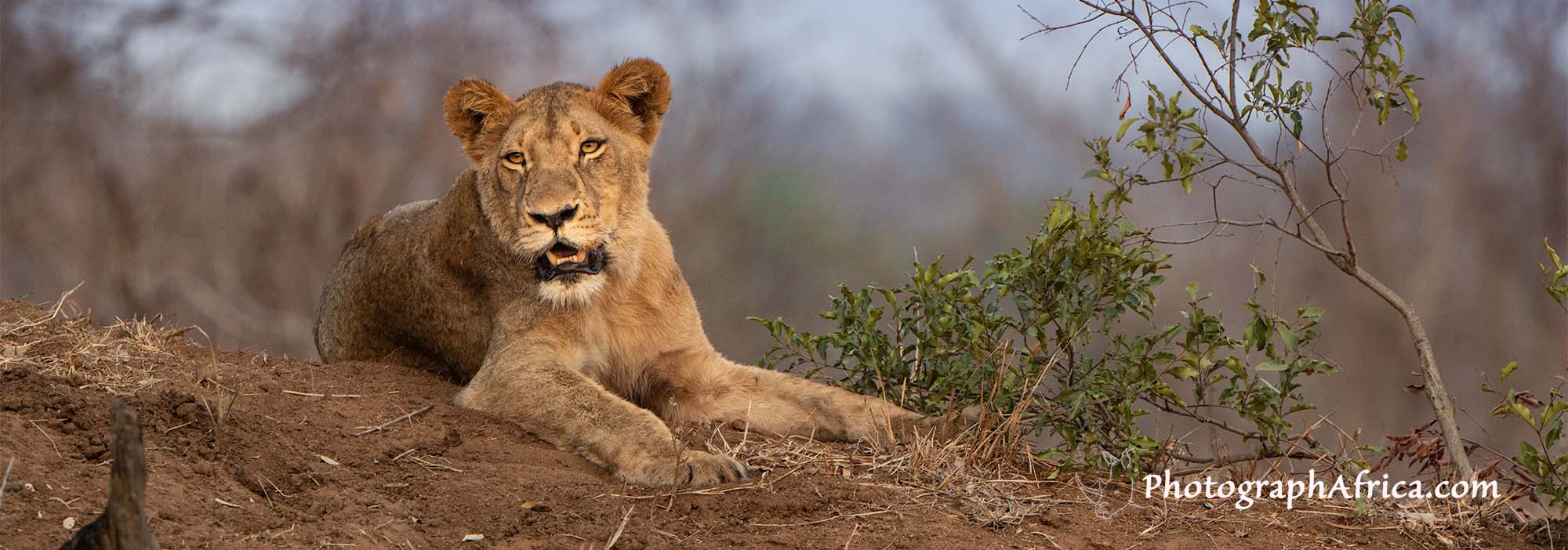
When the morning sun is at full, lions like to be in the shade, especially after a big meal. The two lioness we encountered this morning were typically in the shade and even though the younger one gave us a nice face pose, the lighting is not optimal.

Using Lightroom I was able to bring the lion out of the cool light while correcting for the bright highlights in the background. I could have used more advanced and detailed techniques in Photoshop, but on location like I am, I just want to quickly make this and other images nice enough to share and “test the possibilities” with more detailed work reserved for a future time in the studio.

Add Contrast

Though there are obviously color temperature problems with this image, I do not address them first off. Sometimes I find it helps to eliminate color altogether while I get the contrast and midtone lighting adjusted. With the Saturation slider set to -100 (full desaturation) I adjust the Blacks slider down a lot to establish some true black on the face, end of tail, and a few shadows in the background. The Shadows slider I increase to bring out textures on the animal lost in the shadow of the tree. Whites I decrease slightly to continue to build overall contrast. Clarity I increase to also add separation between the midtones and pop out details. I increase the overall Exposure to .80 because I want the white parts of the lion to be bright white. I even use the Contrast slider – something I rarely do – because it is working here. I like how the Shadow – Whites – Blacks slider are working, but I want to do a bit more using the tools under the Curves. These are similar tools but they are working on different definitions of what is dark and light and I can also change these definitions to suit what I want changed . I increase Lights a bit to pop light area of the face and increase Darks also. Shadows I decrease. Now there is a lot of contrast and detail on the subject. Restore the color by zeroing the Saturation slider.

Lighting correct, but background needs work

Lighting correct, but background needs work


The Background looks terrible.

The background has become even brighter and the color is distracting and artificial looking. The first step is to use the Highlights slider both in the Basic panel and under the Curves tool to get it back in control. The Hightlights tool need to come way down to around -64. That makes it better, but there is something else that will take it further toward warm, even light. Under the Curves tool is a tool dealing with each of the color bands and their characteristics: Hue, Saturation, Luminance. In this image it is lucky that the grass is mainly composed of Yellow light and we can use this fact to control the exposure of just the grass area without damaging other areas. All it needs is the Luminance of Yellow to be made darker. Here I could push it almost half the way to full dark. Now the color is nice, but intense. I compensate using the Saturation slide (again under Yellow) to keep it under control. A little adjustment of White Balance toward warm tones and this image is much improved and ready for a blog post.

Corrected Lion Photo

Corrected Lion Photo

Morning at the Hyena Den : A Safari Story

Curious Hyena Pup checks us out

Curious Hyena Pup checks us out


While on our morning game drive, our guide had the suggestion to swing, since we were near by, to swing past a den area known to be used from time to time by hyena. Sometimes we forget about the hyena as an interesting and fierce predator. It often acts as a scavenger, but it can hunt and kill on its own and it has a fascinating pack social structure . We approached the den and could see immediately that it was active. There was one pup exploring around the den. We watched it wander around looking like it wanted to play with a stick. Then we noticed a small head peaking out of the den: a second pup probably curious at the new noises. We watched them play together for a while.

The hyena pups  play together

The hyena pups play together


The smaller pup's curiosity brings him out

The smaller pup’s curiosity brings him out


I don’t usually think of hyenas as cute, but these two had all the appeal of any young and fuzzy animal. It seemed strange for them to be all alone and running amok, but we soon learned that the “babysitter” was near by and ready to intervene if the pups got too out of control. The dominant female who is the only hyena allowed to breed, will appoint a juvenile subadult to watch over the den while the mother hunts , This guardian did her duty that morning and made sure the pups did not stray into trouble.

The older pup greets the babysitter

The older pup greets the babysitter

May Safari 2013 : Nearing the End

We are getting to the end of a great safari. I will be sad to see this fun and vivacious group leave. We have seen so many good sightings and our 2nd day in Kruger was exceptional.
GS_7798_130507
It started with some really beautiful male and female kudu and from there it was chock full of fighting zebra and some very young zebra. We also saw two baby giraffes who could have been twins. They were very cute. The day was not too hot, but we had good results waiting down by the river. We had a large herd come down to drink and swim with some small elephants in tow.
GS_7947_130507
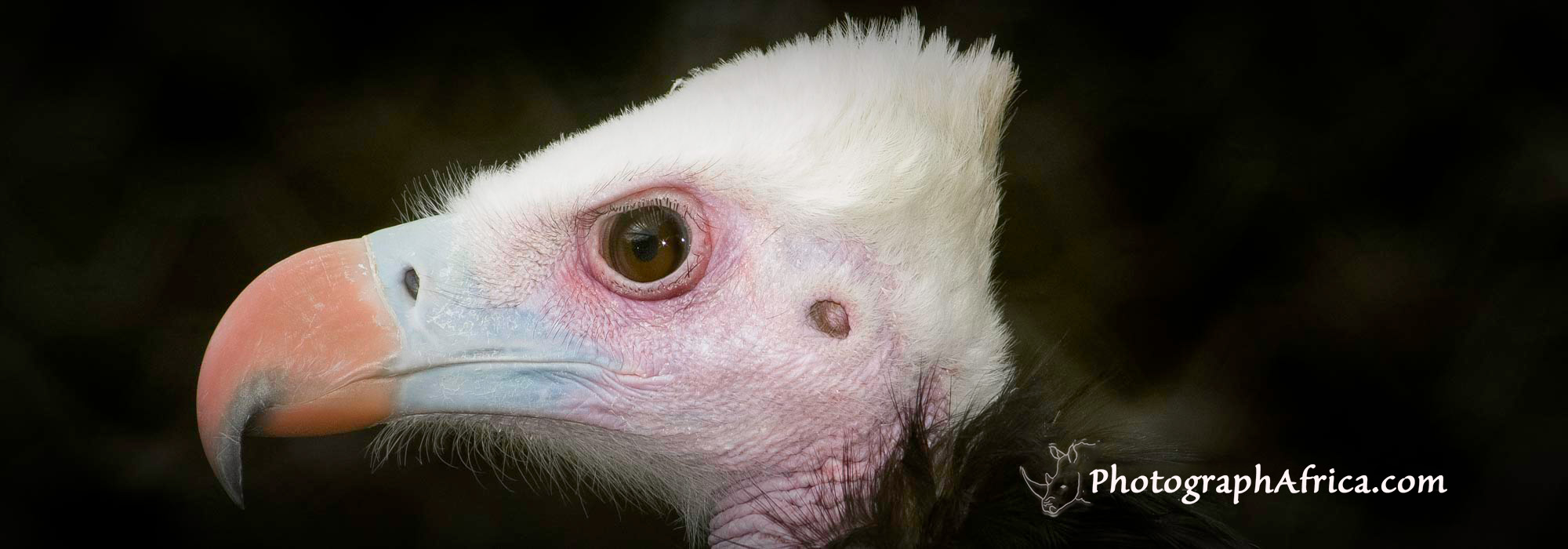
We were very blessed to see a flock of ground hornbills – five in all with a juvenile. The adults were showing the juvenile how to hunt. Several times we saw them bend down then kick a grasshopper up into their mouths and swallow. We also had some eagle sightings, vultures , and a rhino at a distance.
GS_7962_130507
We slowed things down yesterday with a shopping trip to a local spot for handmade crafts. The guests did some good bargaining and came home with some deals. For a relaxing morning, we practiced some archery. Everyone improved their technique and we had some really high scoring rounds. The ladies both scored bullseyes!
GS_8318_130506

GS_8091_130508

GS_8084_130508

GS_8067_130508

GS_8065_130508
Today we transferred to another safari lodge for our last night and a few more game drives on this big 5 reserve. Tomorrow we must say goodbye. Thank you for a memorable safari – this group will go down in legend.

New Book: The World’s Best Tropical Dive Destinations by Lawson Woods

The World's Best Tropical Dive Destinations

Author Lawson Wood has added a new book to his roster of publications.   This new book presents destinations all over the world from a photographer’s point of view and Lawson’s vast knowledge of these places is evident.
Available on Amazon http://amzn.com/1906780234

I am honored to have contributed a few images to this effort.

fishermen haul a boat on shore after a day of fishing

fishermen haul a boat on shore after a day of fishing in Mozambique

"The Lady and the Unicorn" from deep inside the President Coolidge wreck in Vanuatu

“The Lady and the Unicorn” from deep inside the President Coolidge wreck in Vanuatu

About Lawson Wood

Lawson Wood has been fortunate to make his passion his career, and has authored and co-authored over 45 books, mainly about the underwater world.

He is a founding member of the Marine Conservation Society, and made history by becoming the first person to be a member of the Royal Photographic Society and Fellow of the British Institute of Professional Photographers solely for underwater photography.

http://www.mcsuk.org/

Some of Lawson’s other books

book by Lawson Woods Book by Lawson Woods Book by Lawson Woods

Book Description

This magnificent and comprehensively illustrated reference to the world’s most exotic dive destinations covers the Caribbean (Bahamas, Mexico, Cuba, Cayman Islands, Virgin Islands, Belize, Honduras, Aruba, Bonaire & Curacao, Tobago, St.Lucia and Dominica), Bermuda, the Red Sea (Egypt and Sudan), the Indian Ocean (Oman, Maldives, Seychelles, Mozambique, and western Australia), the Indo-Pacific (Thailand, Malaysia, and Indonesia), and the Pacific Ocean (the Philippines, Micronesia, Melanesia, Papua New Guinea, French Polynesia, and Australia’s Great Barrier Reef).
Superb underwater photography shows a huge variety of wrecks,marine habitats, and aquatic species. The descriptions the type of dive to be experienced as well as what you can expect to see underwater. Each dive site featured can be located via a detailed regional site map, and a travel advisory is also included.

2nd Safari Report : May 2014

White Rhino
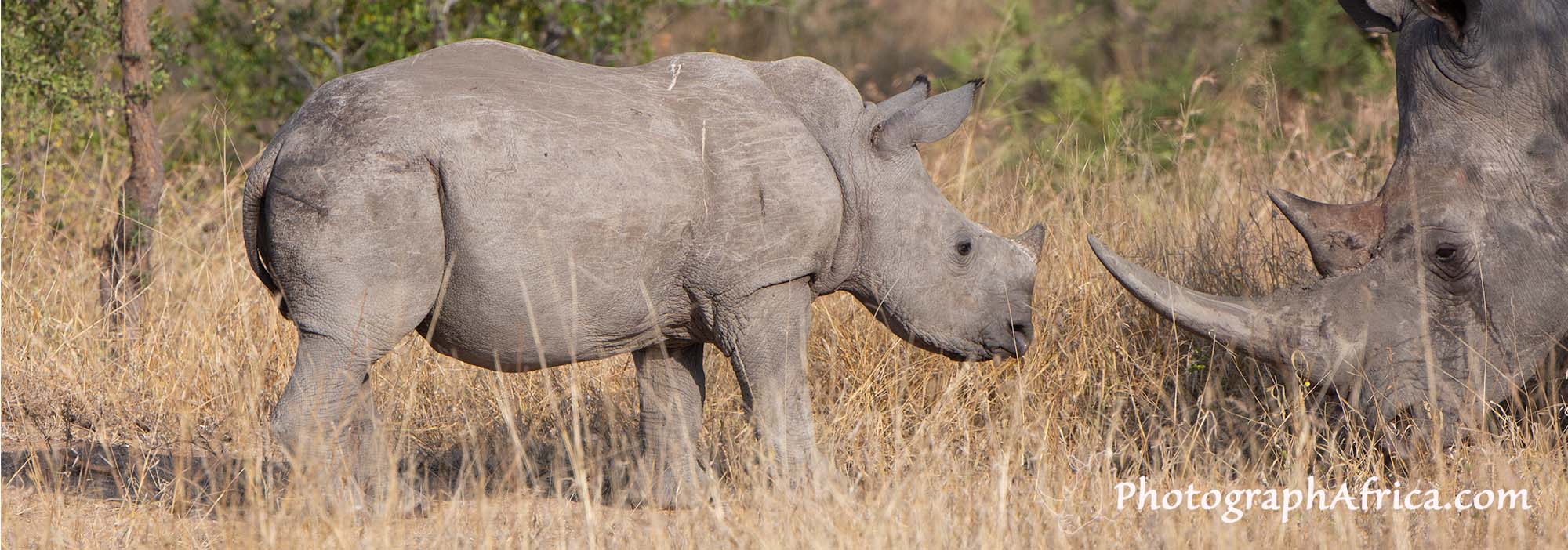
Animal activity is greatly effected by the weather and given this our first afternoon game drive was full of great encounters. It started with a family group of white rhinos. With all of the poaching it is a humbling experience to see any rhinos. I find myself taking more photos than usual and then not deleting any of them no matter how mediocre they are. I fear photos of rhinos alive and with their horns is a rare thing from now on. After a good long, close look at the rhinos we moved on to find an old friend: the male lion cub from last year now all grown up. He showed some battle scars and because he is too closely related to other lions on the reserve, he will be moved to a new reserve to strengthen the bloodline. He was lying down just trying to get over the heat of the day.
White rhino and safari vehicle

Hot male Lion

On a hot day a swim is the thing, so we stopped by a water hole to see who was there. To our surprise a pair of black rhino came to drink – white and black on the same day! What a treat. And these were beautiful and big examples.
Black rhino comes to drinkGruff male warthog
Even the usually shy and impossible to photograph warthog gave us a pose. All this gave cause to celebrate and our sundowner drinks were very festive.

Our next day was in Kruger National Park. The day started a bit slow, but the mating herds of impala are always entertaining. As the heat came up we again used the watering hole strategy. To our delight we watched as nearly 100 elephants came and went. They drank and some had a swim. The herds were family herds with juvenile and baby elephants accompanied by their mothers.
Impala in KrugerDead Tree in KrugerYoung elephants at the water hole
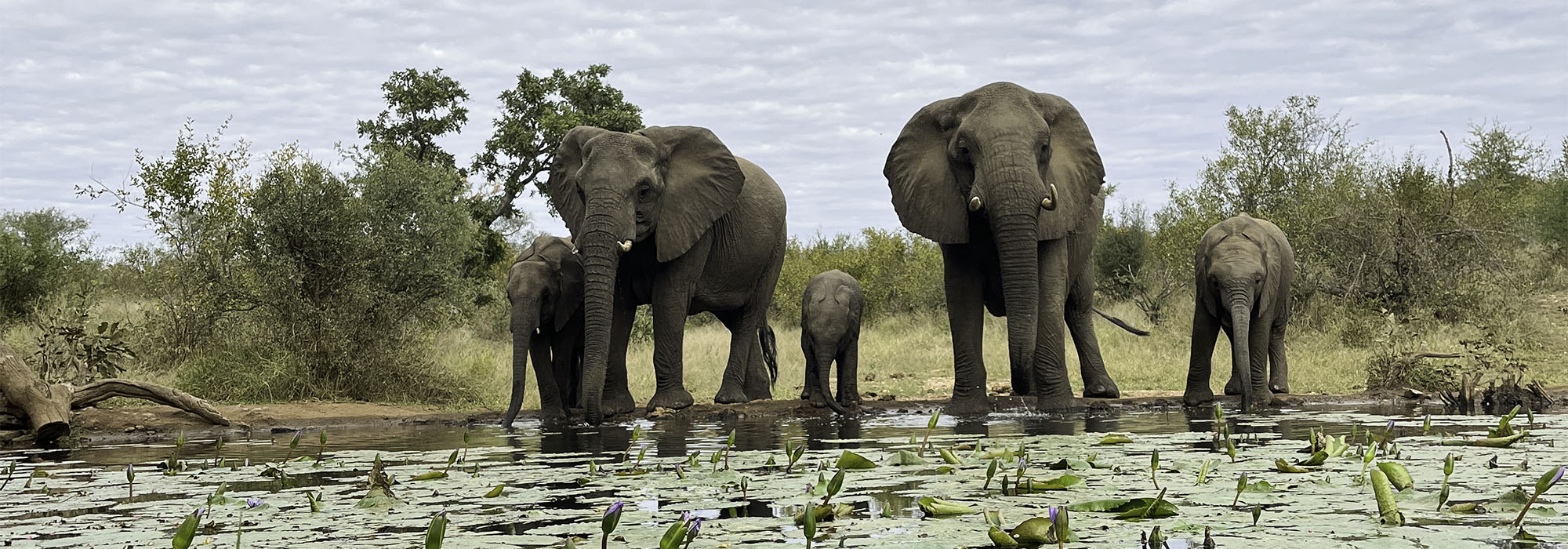
Elephant Family comes drink
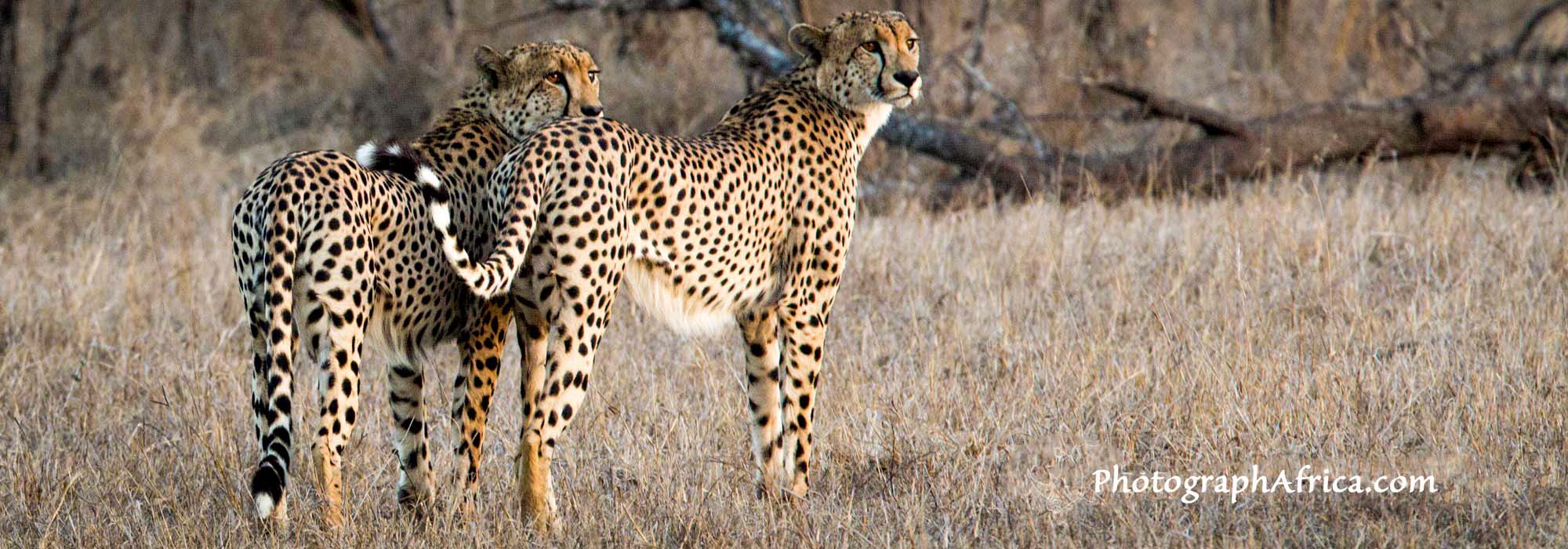
For our next day’s adventure we took a different turn and toured the Blyde Canyon by boat then visited a wildlife rehabilitation centre. Last evening we were again on the safari vehicle, this time to a reserve that is new to game drives. This lush big 5 reserve has great views of the mountains. We saw a pair of cheetah resting in the dry river bed and many other animals. On our drive back in the dark under the guidance of the spot lights we were stopped by two hyena in the road who would not let us pass. The stand off lasted serval minutes and we had a chance to study this interesting predator up close.
This giraffe lives in a very scenic  reserveWalberg's eagle
This morning the guests went on a game drive, but from the vantage point of an elephant. The elephant backed safari is a fun way to learn about elephants then travel through the reserve as part of the herd. The elephants pull up trees, eat, and act normal all while guests ride on then though the bush and past other species such as wildebeest and warthogs. It is a unique adventure.